January: South America/North America
February: Asia/Europe
March: Europe/Africa
2008's been a pretty interesting year so far...in the last 3 months, I've seen/been to the:
Equator, Pacific Ocean, Amazon Jungle, Panama Canal, Gulf of Mexico, Atlantic Ocean, English Channel, Arabian Desert, Persian Gulf, Tropic of Cancer, Indian Ocean, Vatican, Pope Benedict XVI, Colosseum, Mediterranean Sea, Nile River, Great Pyramids, Sahara Desert, Sudan border, etc.
Ecuador, Panama, United States, England, United Arab Emirates, Oman, Italy, Egypt.
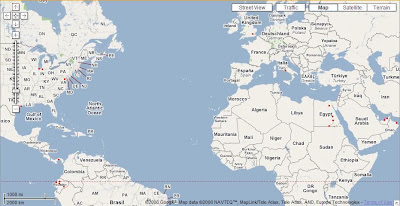
Click on it.
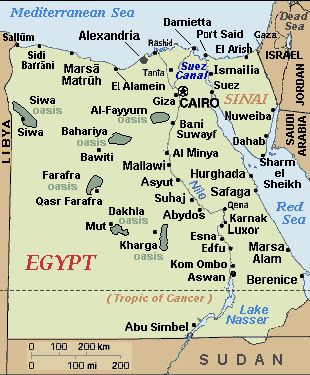
In one week, I went from Cairo down south along the Nile to Luxor, Aswan, and Abu Simbel on the Sudan border and then back up to Cairo.
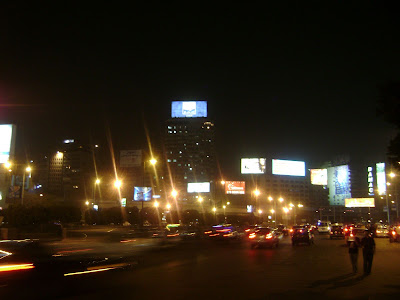
I arrived in Cairo on the night of Monday March 24. It was my first time in Africa. Coming from Europe, it actually felt good to be back in the Middle East again...at least, the weather was a lot warmer. I got into my hotel at around 8pm, dropped off my bags, and went exploring around the city until around midnight. In contrast to Dubai, Cairo actually feels like a stereotypical Middle Eastern city. It's the largest city in Africa and the Middle East. 17 million people. It's like the Arab New York City. It even has the world's oldest university. Cairo also reminds me a lot of Manila. It's just as poor, the traffic is just as bad, the cars are just as old, the city is just as dirty, all the police carry shotguns/assault rifles, etc. And in Egypt, there is no social welfare and the poor get no financial help at all from the government. The only aid comes from other family members and from charity organizations.
It's amazing how much Islam permeates into everyday Arabic society. From the very rich in Dubai to the very poor in Cairo. What gives the poor here the strength to carry on is their faith. Islam teaches about the value of a virtuous way of living, rich or poor. I've seen the rich side in Dubai. Now I was able to see the poor side in Cairo, since Dubai literally has no poor people. In a city like this with 17 million people, just 1 million less people than New York City, it's amazing how little crime there is. Here's an interesting fact: I am much safer walking around the streets of Dubai or Cairo at night than in my hometown Washington DC. There's less of a chance of me being mugged in a Middle Eastern city than in any other big city in the US. I have a greater chance of being murdered or killed in Chicago than in Cairo. It's simple really. Thievery is against Islam. Commiting crime against innocent people is against Islam. So it simply doesn't occur here. The vast majority of people incorporate the teachings of Islam into their daily lives. Islam and Arabic culture are one in the same thing. Even the non-religious Muslims or the secular ones follow these teachings because they're just so much a part of the culture. Especially for the poor, they firmly believe that their hardships in this life will be rewarded in the afterlife. So, they simply don't steal or harm others. In fact, one of the worst insults you can give is to call someone a thief. In Saudi Arabia, they even chop your hand off for stealing.
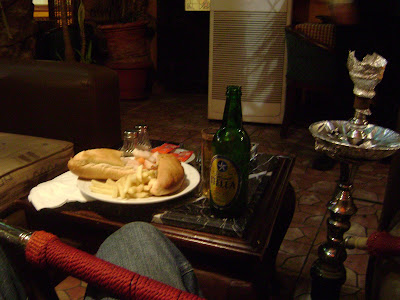
Standard Egyptian dinner.
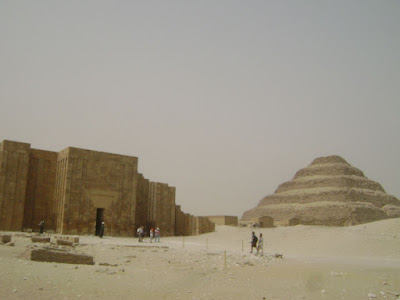
The next morning I visited Memphis and Saqqara on the outskirts of Cairo. Memphis was the capital of Lower Egypt (northern Egypt) in ancient times. Saqqara is the site of the Step Pyramid, the world's oldest stone structure and the first decent attempt at a pyramid.
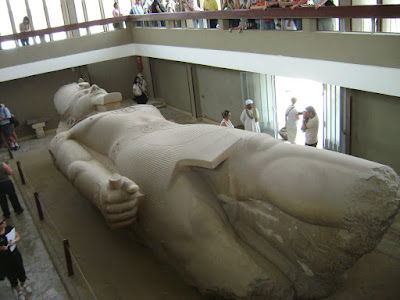
Ramses II
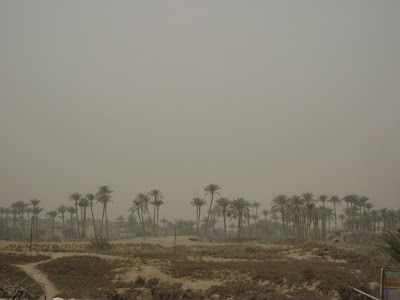
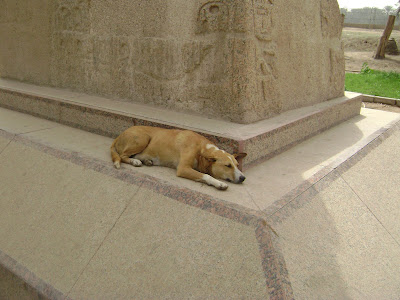
just like Ecuador..!
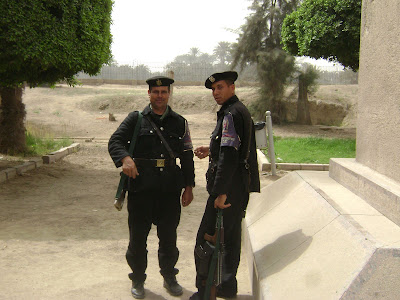
all the police carry AK-47's. i love this country.
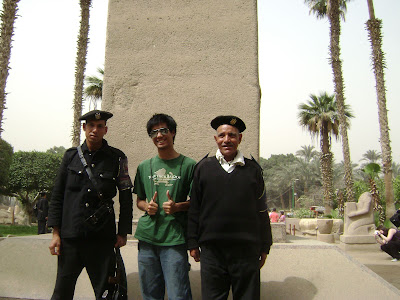
Ahmed and Muhammed.
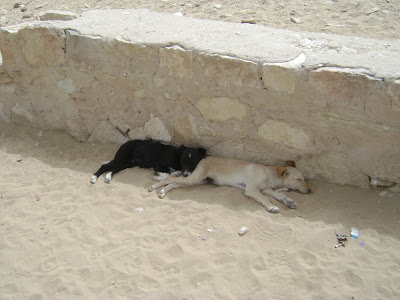
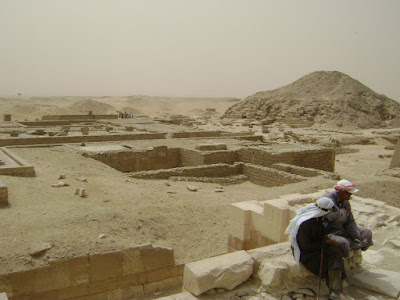
Saqqara, Egypt
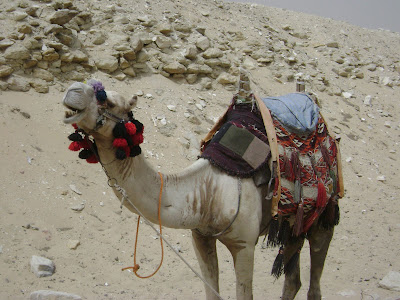
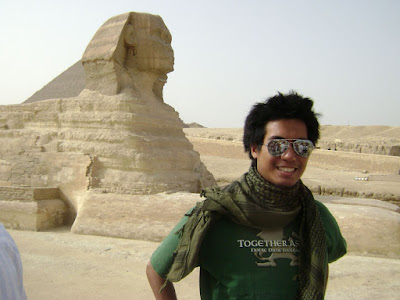
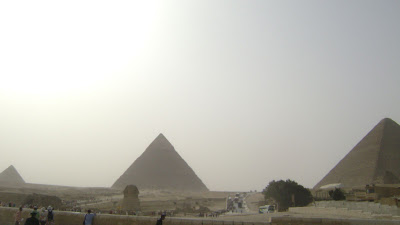
That afernoon, I visited Giza, the site of the Great Pyramids and the Great Sphinx, the earliest known monumental sculpture. Visiting the Pyramids for the first time is just one of those times in your life that you always remember. After learning about the ancient Egyptian civilization and seeing pictures in history books since elementary school, it was a bit surreal that I was now actually there. Rising out of the barren desert, the Pyramids are the only remaining wonder of the Seven Wonders of the Ancient World. Over 4600 years old, the Great Pyramid was the tallest structure in the world from 2600 BC to the 13th century AD. The Pyramids seemed as mysterious and as alien to Roman Legionnaires as they do to foreign tourists today. The base is so massive that it can fit inside St. Peter's Square and the Cathedral in Florence. Even today, the engineering feat that was the construction of these massive structures over 4000 years ago still impresses many. And to think, that the Pyramids have been around and even a witness to much of recorded modern history. Alexander the Great gazed up in awe at them in 332 BC just as I was doing in 2008 AD. The Pyramids have seen Persians, Romans, Greeks, Byzantines, Turks, Arabs, French, and British. Moses, Ramses II, Alexander the Great, Caesar, Marc Antony, Cleopatra, Jesus Christ, Virgin Mary, Saladin, Napoleon, Lawrence of Arabia, Bill Clinton, and George W. Bush have all stood at its base. Now I was too. Too bad the annoying Arab vendors detract a bit from the experience but oh well. Napoleon even left his permanent mark on the ancient treasures when his artillery blew off the nose of the Sphinx. After some camel-riding around the Pyramids, I returned to my hotel and wandered around the chaotic city for a few more hours.
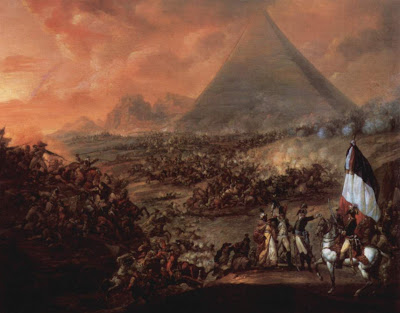
Napoleon invades Egypt.
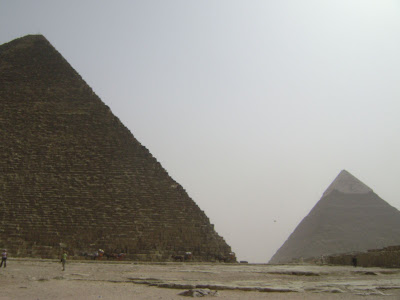
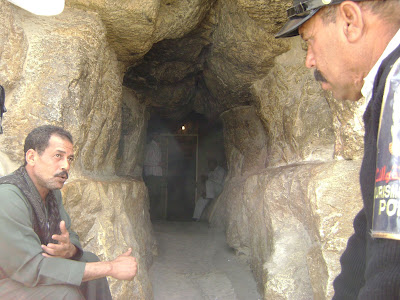
entrance
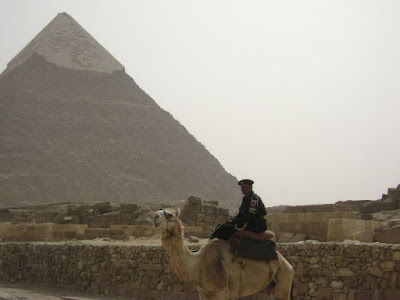
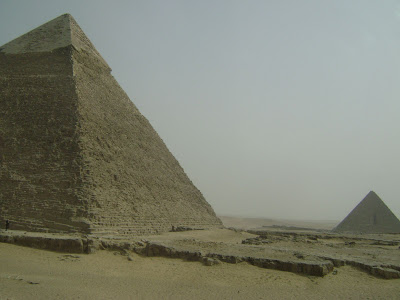
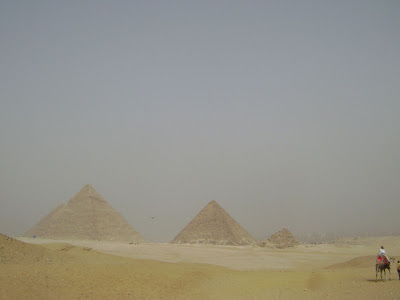
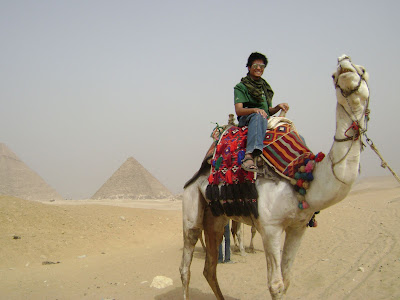
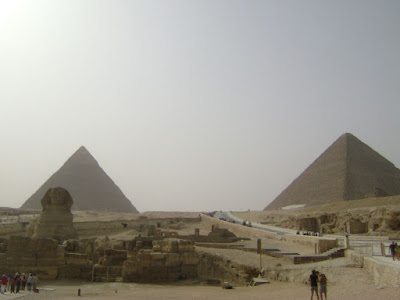
the name Sphinx comes from Alexander the Great and his fellow Greeks. the Arabs called it Abu al Hol (Father of Terror).
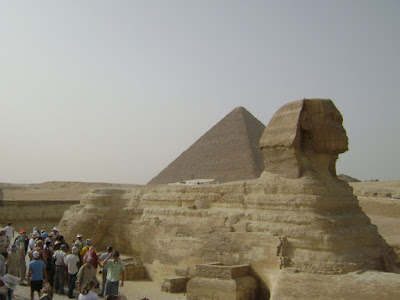
Napoleon's artillery shot of its nose
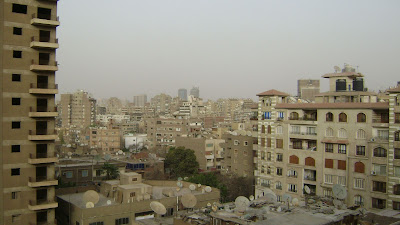
Cairo
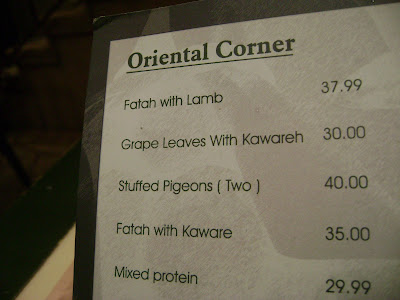
how Egyptians deal with their pigeon problem. New York City could learn a thing or two from Cairo.
My overnight train to Aswan left Cairo at 10pm. Aswan is a city on the banks of the Nile River in the far south of Egypt, near the border with Sudan and near Lake Nasser. The 1st class train was semi-decent and I was able to fall asleep for a few hours. I spent most of the morning watching the beautiful sunrise over the Sahara desert and observing the locals' morning routine on several villages along the Nile River. 13 hours after leaving Cairo, I arrived in Aswan. It was unbelievably hot in Aswan, even in the morning. Now I really felt like I was in Africa. My hotel room had a nice view on the Nile River, full of small boats, and after a nice shower, I went around visiting the sites. First up was the Unfinished Obelisk in the famous granite quarries of Aswan. The quarry was used for granite to build the Pyramids. Obelisks are made from one single piece of stone and the Unfinished Obelisk was to be the world's largest single piece of stone. Except, the workers messed up and cracked it so it was abandoned. We drove over to the Aswan High Dam, which was built to control the Nile's periodic flooding. Finally, we took a boat down the Nile to the Temple of Philae, located on an island. Napoleon and his army actually made it this far south when the French invaded Egypt, and left their inscriptions on the temple's entrance. It was around dinnertime when I got back to my hotel, so I had some pizza and beer before I would wander around the city's souq for the rest of the night where I bought some Egyptian souvenirs. I even stumbled upon the city's only Catholic Church in the process. I went to bed at around midnight.
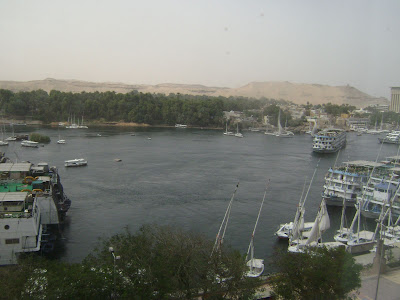
Nile River. Aswan, southern Egypt. Near the border with Sudan.
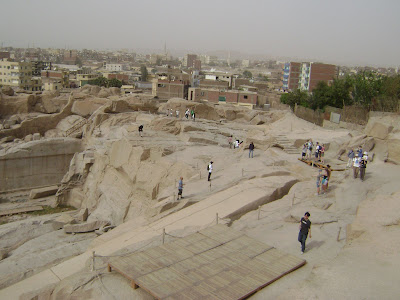
unfinished obelisk. obelisks have to be made from a single piece of granite but this one developed a crack in it. otherwise, it would've been the largest single piece of granite in the world.
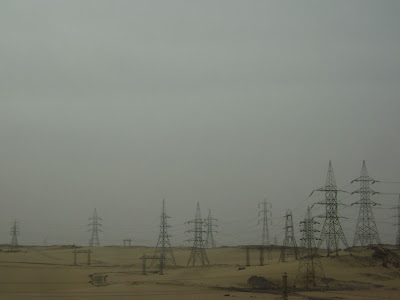
Sahara Desert
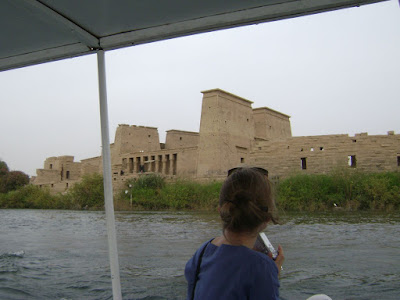
Temple of Philae
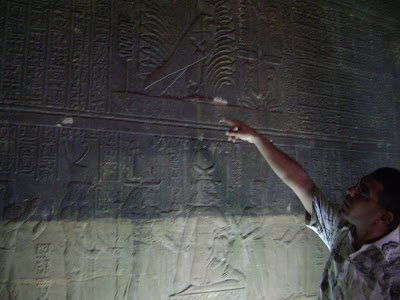
tour guide
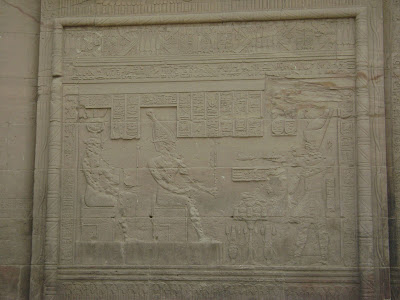
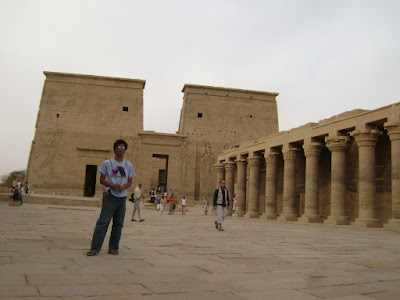
Napoleon stood there 200 years ago.
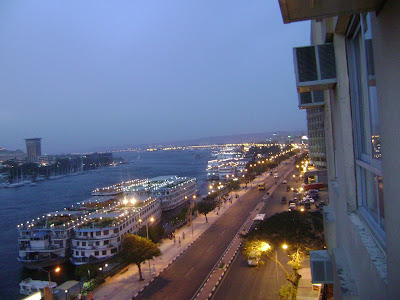
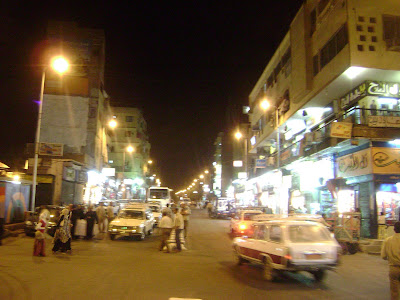
nightly wandering
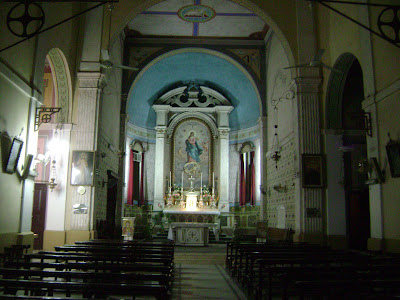
Catholic Church
I woke up the next morning at 3am. I made a spontaneous decision the night before to visit Abu Simbel, a great temple built by Ramses II right on the border with Sudan. It was a 3 hour drive away across the absolutely barren desert, one the the most remote places on earth. So the best part was that the only way to get to Abu Simbel was by military convoy. That's right, the remoteness of Abu Simbel increases the vulnerability of the highway, and therefore the danger of Islamic extremists in this remote part of the country on the lonely stretch of highway is too high for Egyptian authorities to let travellers go alone on. So, it is mandatory to go with a military escort. Since the soldiers in the convoy want to avoid the blazing heat of the Sahara Desert, the only convoy to Abu Simbel leaves at 4am. We'd get there around 7am and have 2 hours to look around. The convoy then leaves at 9am sharp. If you miss it, then you're stranded on the Sudan border until the convoy comes back the next day. The convoy was one of the strangest sights I have ever seen, especially when I was half-awake at 3am. Since there was only one a day, the convoy was loaded with buses (taxis aren't allowed to travel in the convoy) and stretched for over 2km. Driving among the convoy on the highway is a complete free-for-all. All the buses want to be at the front and near the soldiers so all the drivers continuously struggle against the others to overtake each other. It was actually kind of funny, seeing the drivers curse each other out and everything.
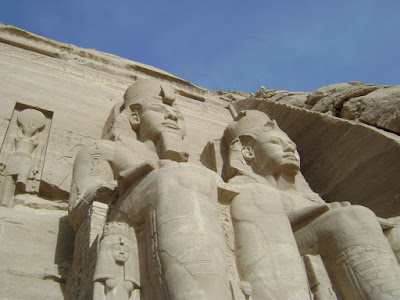
I got to Abu Simbel and immediately was happy with my spontaneous decision. The temple is massive and carved into the side of a mountain. Plus, it felt kind of weird being on the border with Sudan and so close to the infamous Darfur region, which has been engulfed in violence for over five years. You could see Sudan across Lake Nasser on the other side. I can't say that I've been to Sudan, but I can say that at least I've seen it. I got back to my hotel around noon, had lunch and a beer on the Nile, wandered around the city some more, and tried to get into the Old Cataract Hotel, which was where Agatha Christie wrote Murder on the Nile. The guards wouldn't let non-guests in. Up to this point, I had recently found travel buddies with two Dutch women, who had been with me since Cairo. I was heading to Luxor that night and they were staying in Aswan so we said our goodbyes.
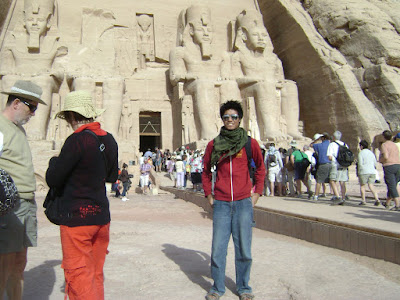
Abu Simbel, Southern Egypt. right on the border with Sudan.
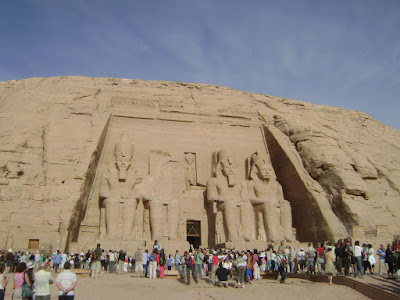
Ramses II. carved out of a mountain
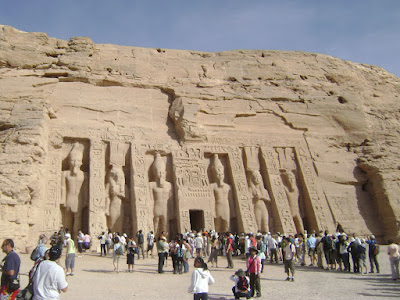
Temple of Hathor. Ramses II and his Queen Nefertari.
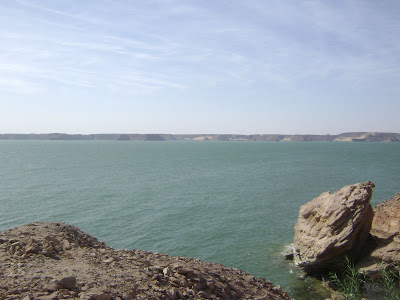
There's Sudan across the water.
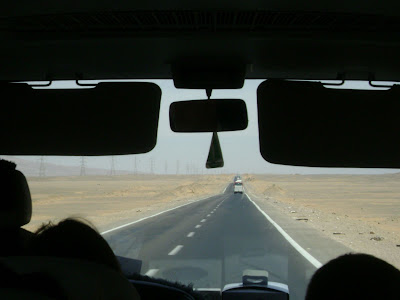
the only way to get to Abu Simbel is by military convoy because the highway is one of the most remote places on earth and therefore vulnerable to Islamic extremists. it's 3 hours each way to/from Aswan.
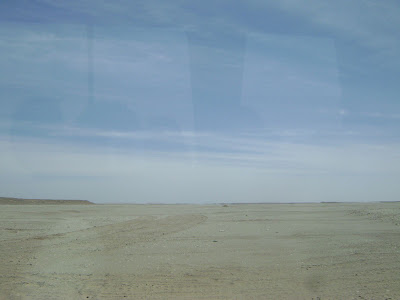
Sahara Desert. there's absolutely nothing in this part of Africa. just sand.
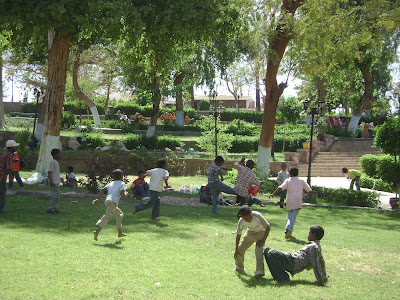
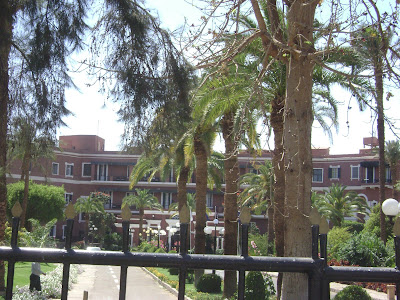
Old Cataract Hotel. Agatha Christie wrote Murder on the Nile here
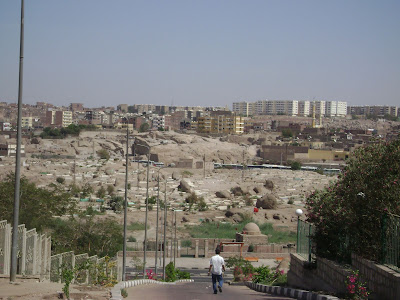
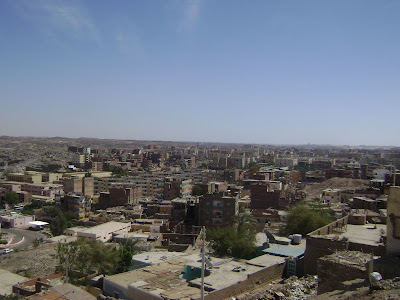
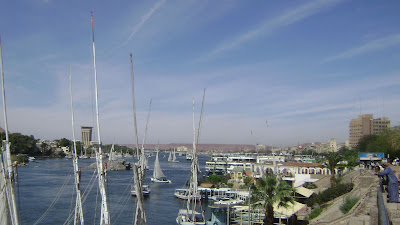
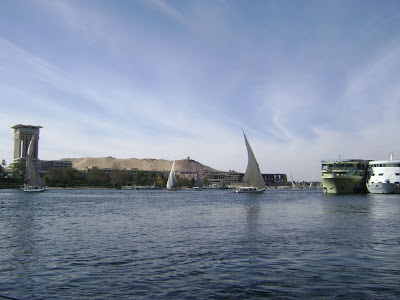
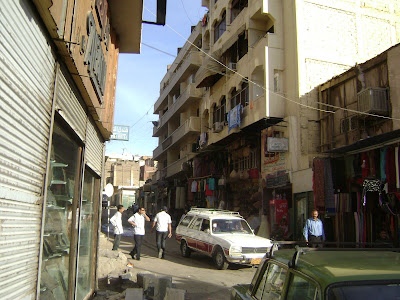
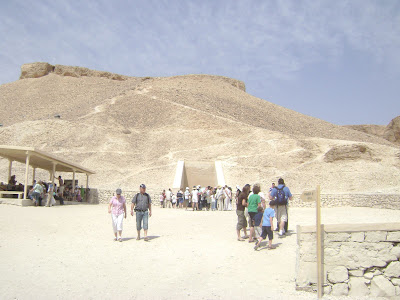
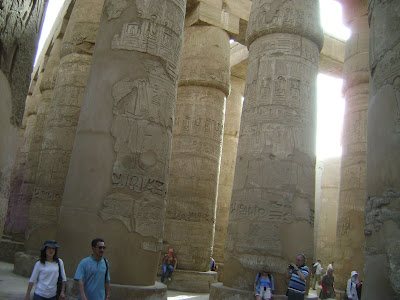
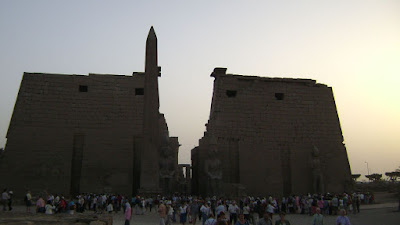
Luxor is further north on the Nile River and was built on the site of ancient Thebes, the capital of Upper Egypt (southern Egypt). The next day I toured around the Valley of the Kings. This is where all the dead pharaohs are buried (Ramses II, King Tut, etc.) and it's an amazing network of underground tunnels and tombs. Kind of like a City of the Dead. It was only around 9am but it was so dang hot already. It was even worse once you went into the tombs. I would've taken pictures inside, but it's illegal (unless you bribe the guard). Next to visit was the Funerary Temple of Hatshepsut. In 1997, Islamic extremists slaughtered 58 tourists here in broad daylight. The tour guide didn't include that bit in his tour, but I read about it in my travel book. Besides that, it was pretty impressive as it was at the base of the Theban hills. After that was the Valley of the Queens. Same thing as the other one except this one had all the dead wives of the pharaohs. Last was the Colossi of Memnon, giant statues built by Amenhotep II. I had lunch and a beer on the Nile again and wandered around Luxor for the rest of the day and night. The next day I went to the Temple of Karnak, a few km north of Luxor, and the Temple of Luxor. These two vast and extensive 3000+ year-old temples are among what is left of the ancient capital of Thebes. I don't remember much of what the tour guide said except that Karnak had the largest Egyptian Obelisk in the world. It used to have the largest obelisk in the world until the Washington Monument was built in DC. Hah. Also, over the centuries the Luxor Temple has been used for worship by ancient Egyptians to pagan gods, by the Coptic Christians, and by the Muslims. It's a pagan temple, church, and mosque all rolled into one.
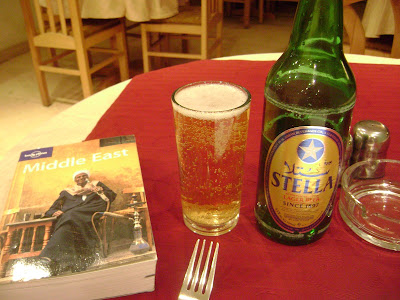
arrival in Luxor (Thebes). this is how i passed most of my free time. beer and reading.
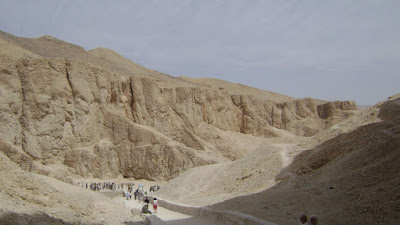
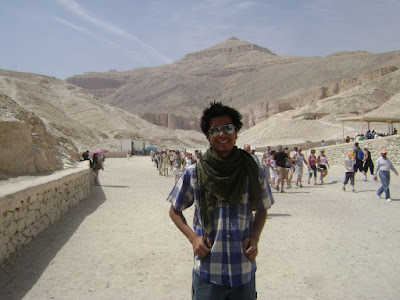
Valley of the Kings. City of the Dead. All the dead pharaohs were buried here in this extensive network of underground tombs and tunnels.
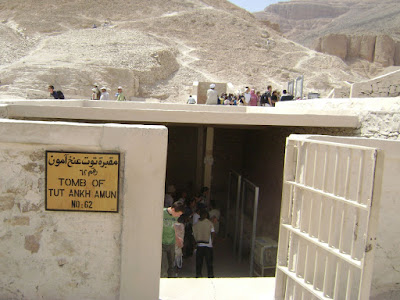
yup.
Ramses II's tomb.
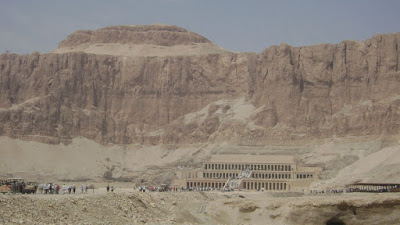
Funerary Temple of Hatshepsut. in 1997, Islamic extremists slaughtered 58 tourists here in broad daylight.
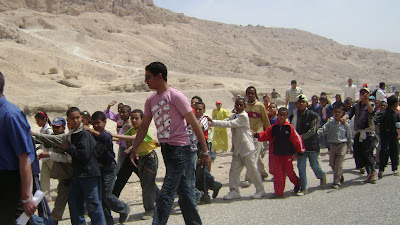
kids love getting their pictures taken.
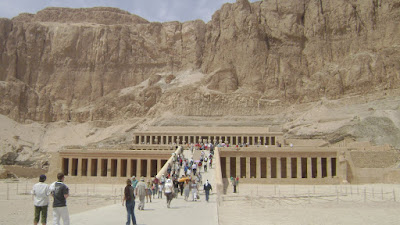
at the base of the Theban mountain.
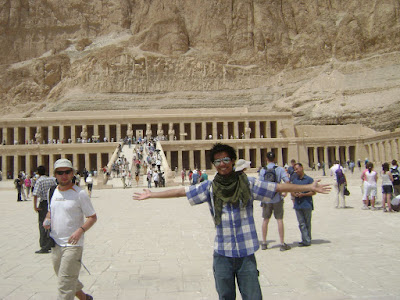
gross, what a tourist.
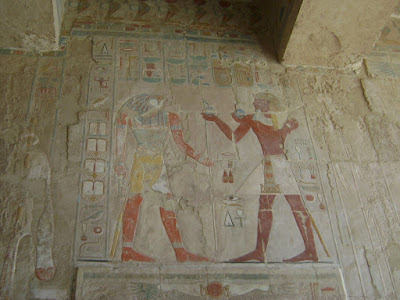
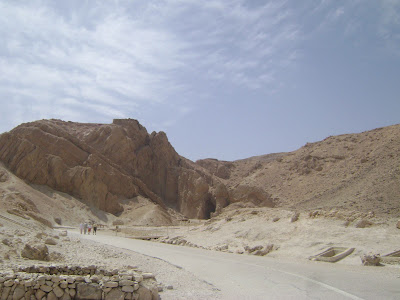
Valley of the Queens. full of dead wives to the pharaohs.
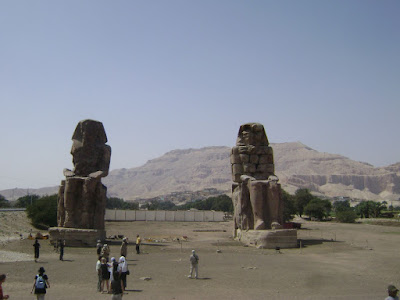
Colossi of Memnon.
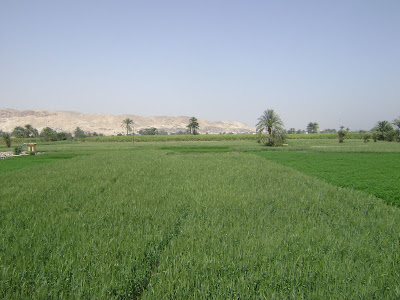
almost like Ecuador. almost.
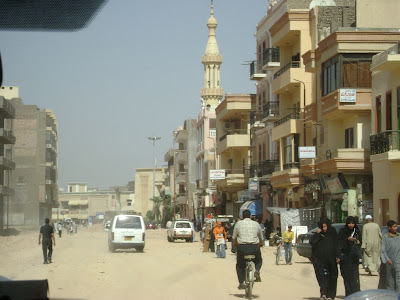
Middle East.
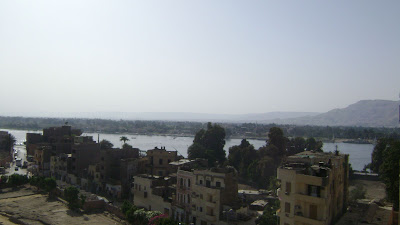
Nile River.
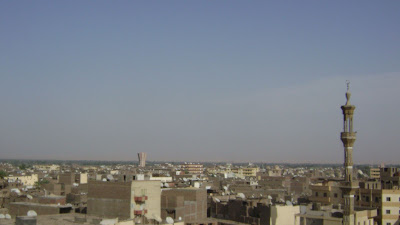
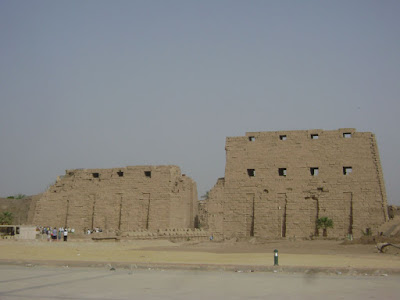
Karnak Temple
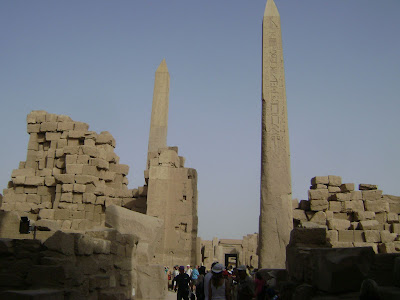
largest obelisk in Egypt. the largest obelisk in the world is in Washington DC of course.
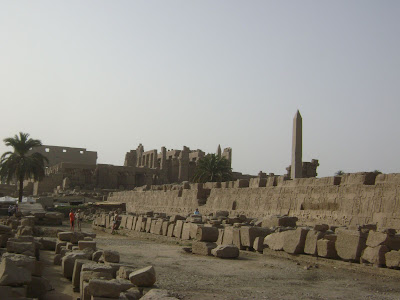
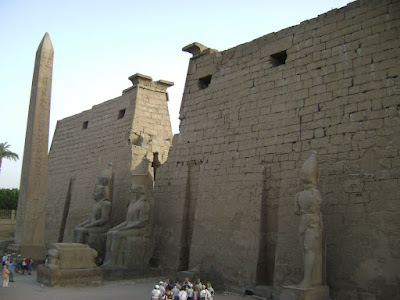
Luxor Temple. built by Amenhotep II. additions made by King Tut, Napoleon, Romans, Christians, Alexander the Great, Arabs, etc.
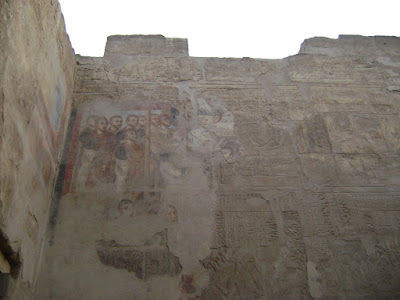
part Christian church
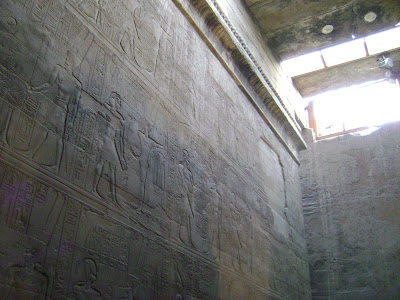
part pagan temple
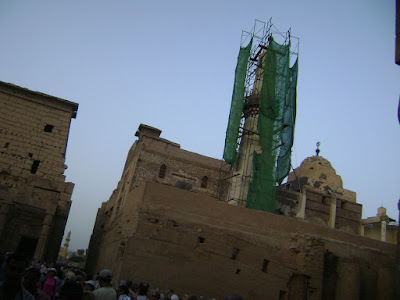
part mosque
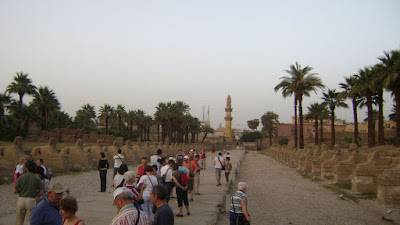
avenue of the sphinxes...it used to go all the way to the Nile in ancient times
My train back to Cairo left that night. I can't remember much of the train ride because I was asleep the entire time. I literally woke up a few minutes before the train arrived in Cairo. It was even two hours late which is actually quite normal for Egyptians. On my last day in Egypt, I started with visiting the Islamic quarter of Cairo. It's not hard to spot the Citadel, the massive fortress built by Saladin to fight the Crusaders in the 12th century. It's even had a permanent military garrison for almost a thousand years. And It's probably one of the best landmarks in the world illustrating medieval warfare. Too bad it's kind of obsolete now. Just one Tomahawk Missile from a US Navy Destroyer would do the trick nicely.
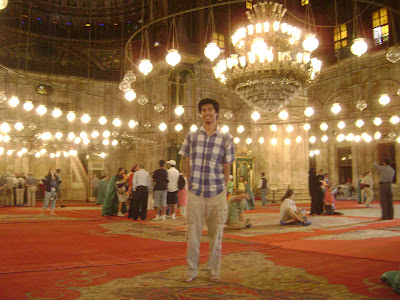
The Mohammed Ali mosque built at the top of the Citadel was pure beauty and the view at the top of the Citadel was just breathtaking. Definitely the best view of Cairo. You can see almost the entire city and as far away as the Pyramids. Next was a trip over the the Christian quarter of Cairo, built within a Roman fortress and once known as Babylon. The Hanging Church is the home of the Coptic Christian community which started in 42 AD. Probably the most important landmark is the Church of St. Sergius. It was built over the crypt that the Holy Family lived in when they fled to Egypt from King Herod. It was pretty cool. Jesus was actually there just 2000 years ago.
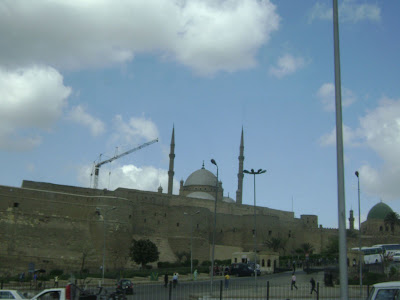
Citadel. built by Saladin in the 12th century to defend against Crusaders.
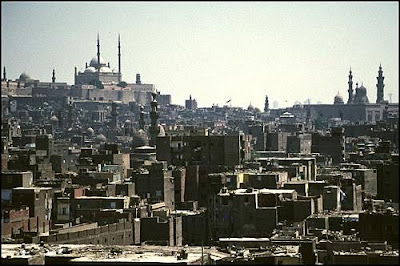
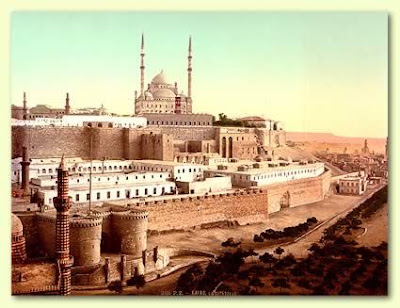
12th century
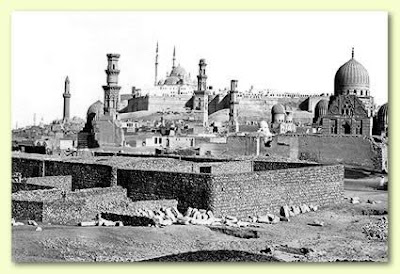
19th century
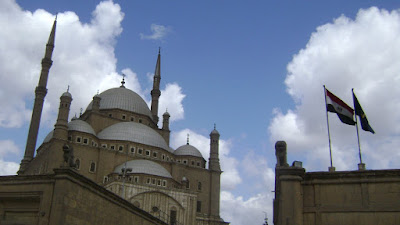
Mohammed Ali mosque
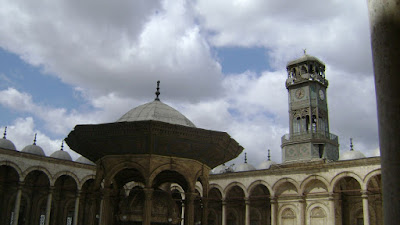
interior court
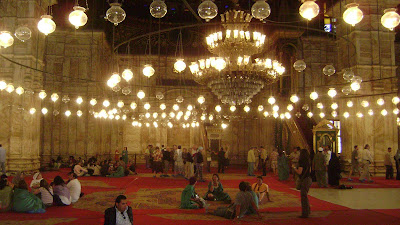
inside the Mohammed Ali mosque.
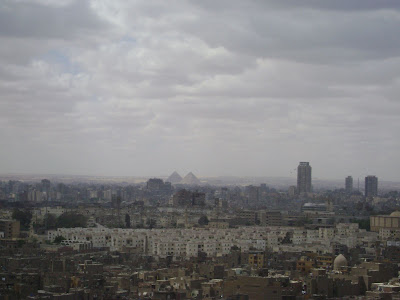
you can see all the way to the Pyramids
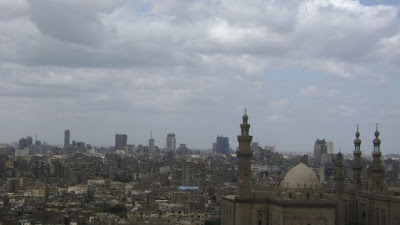
Cairo
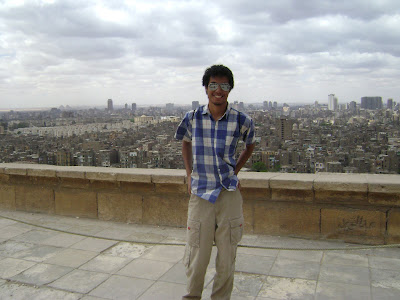
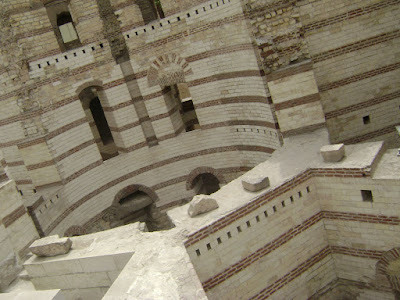
Old Cairo...older than Islamic Cairo. named Babylon by the Romans, who built it as a fortress.
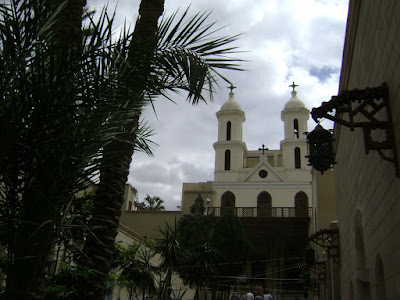
Hanging Church...the centre of Coptic Christianity. it's where their Pope hangs out.
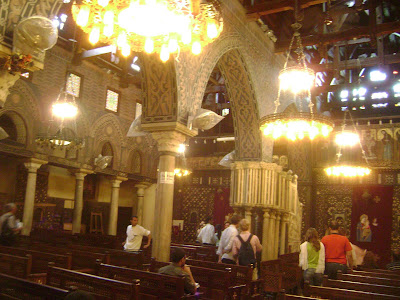
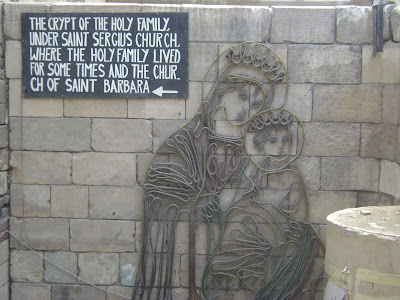
where the Holy Family lived when they fled to Egypt from Herod
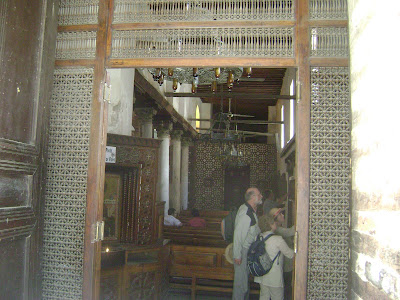
Jesus and Mary lived here. 2000 years ago.
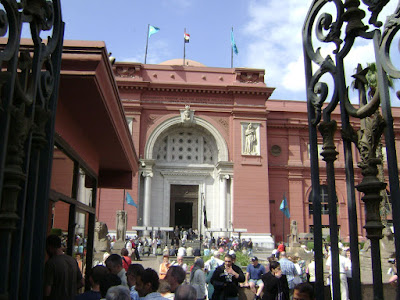
Egyptian Museum.
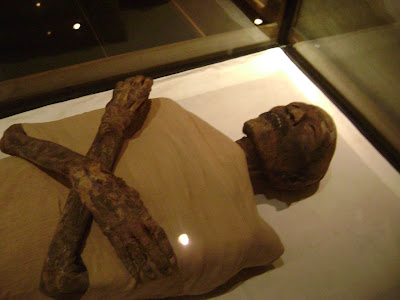
Ramses II. not so mighty anymore, look at him now.
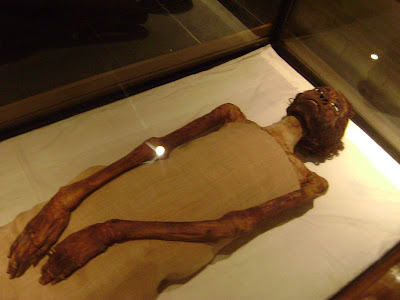
Queen Nefertari, i think.
I spent my last night in Egypt at some English pub, enjoying a pint while watching some football action on the telly. It was a memorable week. Mostly, because this was my first time travelling solo. Egypt's a difficult place to visit and one might think that it's even harder to visit by yourself. Maybe that's true, but it wasn't true for me. I got by with my broken Arabic (the Egyptians have a different dialect from what I've been learning) and I'm an Arabic major so I loved every moment of it. It was a relief to be on my own. No one to take care of. No one to report to. I did what I wanted, when I wanted. But I guess what really matters is that I survived.
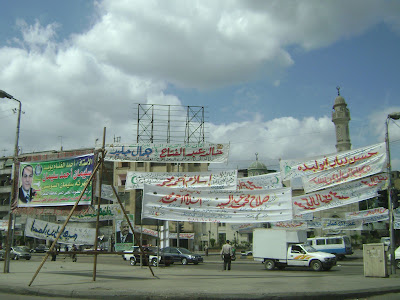
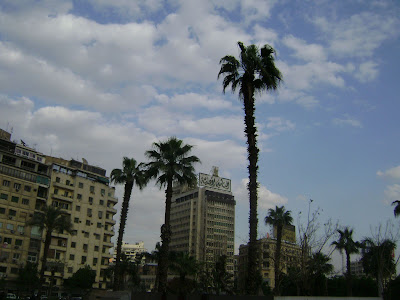
I know this definitely wouldn't be my only time in Egypt. I didn't have a chance to visit Alexandria and the Sinai. I know a lot of people would love to come to Egypt and I've already seen most of the country. And a cruise down the Nile would be nice too. Maybe I'll come back with my family in like 20 years. Who knows.


