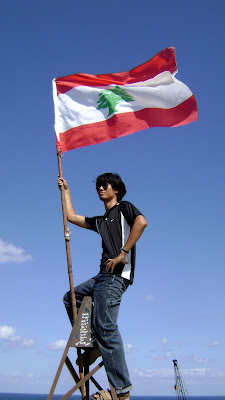
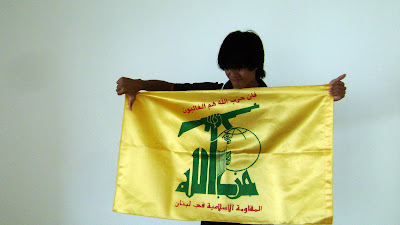
An entire lifetime of exposure to biased Western media is bound to throw anyone off balance and leave them with a distorted view of the Middle East, especially states (Iran/Syria) and non-state actors (Hezbollah/Hamas) that are in opposition to US/Israeli policy in the region. It's a shame that so many people miss out on being able to visit Syria for these reasons. Instead, most foreign travelers head for the obvious tourist traps in Egypt and Jordan. In an objective international context, Syria lists among the best tourist destinations in the world. It's hard to realize why anyone would ever want to visit Syria if you believe everything the media and US government tells you about Syria. On the contrary, my Lebanese professors would tell me that Syria boasts some of the most beautiful and cultural sights and attractions in the Middle East and that Syria is actually one of the safest countries in the Middle East for Americans to visit. If anything, Americans are a bigger target in Saudia Arabia, a close US ally. Anyone who tries to picture Syria in their heads would probably think of a third-world backwater country full of terrorists and desert wastelands. You couldn't be anymore wrong.
Americans usually can't get into Syria but getting into Syria actually wasn't a problem for me at all since the school organized the trip, including the visas. Also we were entering overland from Lebanon and since Lebanon and Syria do not have diplomatic ties or a demarcated border, Syrian officials generally will let anyone with a Lebanese visa to enter Syria through Lebanon. Of course, that means anyone without an Israeli stamp in their passport. Damascus, the capital of Syria, is only about 50 miles from Beirut. We left Beirut at 12pm but we didn't get to Damascus until around 7pm, which is even worse than when we were in Ecuador last December/January and it took us 7 hours to go 100 miles from Quito to Cojimies. Anyway, we found a duty free shop at the border and loaded up the tour bus with booze. We even bought a Heineken keg for the long ride into the Syrian desert. Most of the terrain between Beirut and Damascus is arid (similar to southern Italy) and characterized by rolling hills and mountain ranges... the vast desert starts a few miles west of Damascus and stretches all the way to Baghdad.
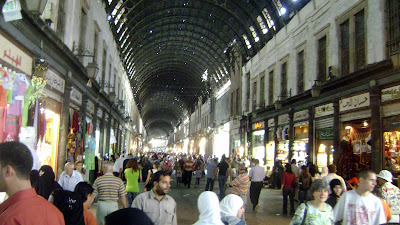
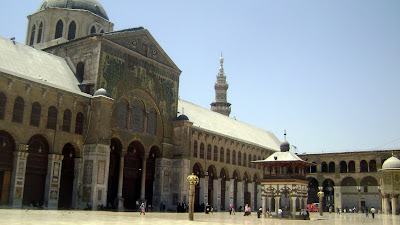
Damascus is actually the oldest continuously inhabited city in the world. Roads have always led to Damascus and the city is a testament to the dozens of empires that have come and go over the last few thousand years (Roman, Persian, Greek, Assyrian, Byzantium, Egyptian, Mamluk, Umayyad, Crusader, Ottoman, French). After a few weeks in Beirut, it was a bit refreshing to be in Damascus. Though older and more populated than Beirut, Damascus seemed a lot more cleaner, less densely populated, and better planned... though, the driving conditions were just as bad. The old city, enclosed from the modern city by stone walls, is remarkably well-preserved and just walking through the narrow roads and alleys around the souqs is an adventure in it of itself. After purchasing a hookah for $40 that would've cost over $100 in the US and exploring the Muslim (Ummayad Mosque) and Christian Quarters (St. Paul's house) of the old city, we boarded the bus for Palmyra (Tadmur), a 4 hour drive into the middle of the Syrian desert. The bus used the old Damascus-Baghdad highway, a route used for caravan trade in ancient times but in recent times is the main route used by insurgents entering Iraq through Syria. Palmyra is about halfway on the highway and 70km from the Iraqi border.
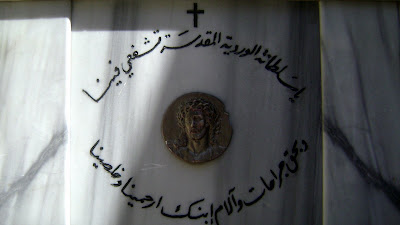
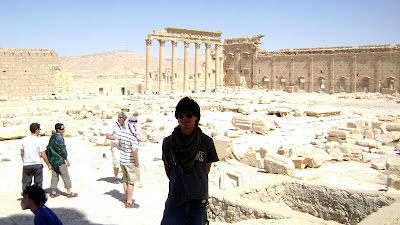
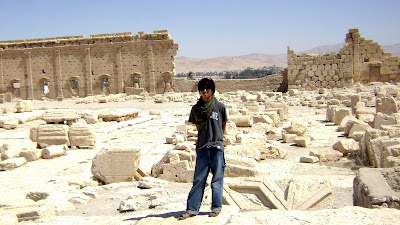
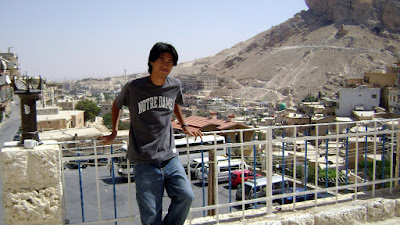
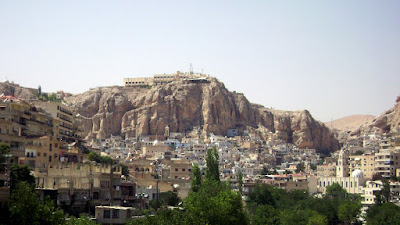
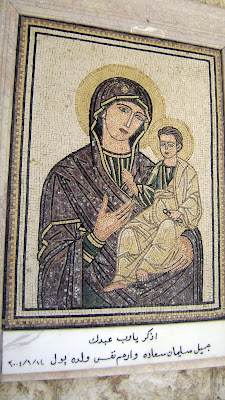
Palmyra remains one of the most impressive ruins in the Middle East, after the Pyramids in Giza and Petra in Jordan. An ancient desert city, it was conquered by the Romans in the 1st century AD. Here we were, in the central Syrian desert, and the Roman Empire influence was still present. After Palmyra, our bus ventured back across the barren desert into the Western Syrian mountains on the border with Lebanon to a town called Ma'loula. The town of Ma'loula is the only place in the world that still speaks Aramaic, the language of Christ. Ma'loula is a predominantly Christian town in the Syrian mountains. 10% of Syria's population is Christian. It was outside Damascus that Saul of Tarsus converted to Christianity and changed his name to St. Paul. It was also during the Lebanese Civil War that the Syrian Army prevented the Christian militias from being defeated by Muslim militias.
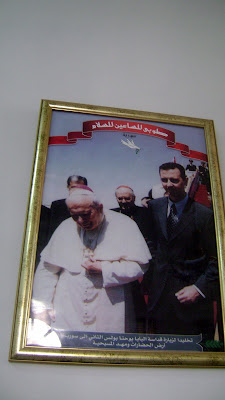
Pope John Paul II visited Syria. So should you.
 |
| From Syria: Damascus/Maaloula |
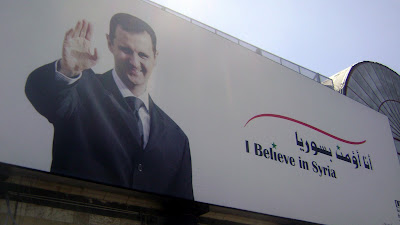
Assad believes in Syria. Do you?
 |
| From Syria: Damascus/Maaloula |
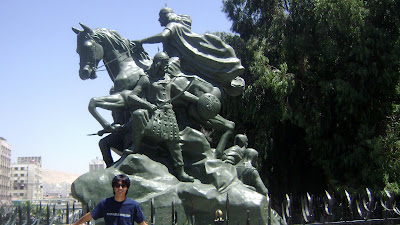
Saladin, who recaptured Jerusalem from the Crusaders
 |
| From Syria: Damascus/Maaloula |
Souq, bullet holes still visible from French warplanes (1943)
 |
| From Syria: Damascus/Maaloula |
Ummayad Mosque
 |
| From Syria: Damascus/Maaloula |
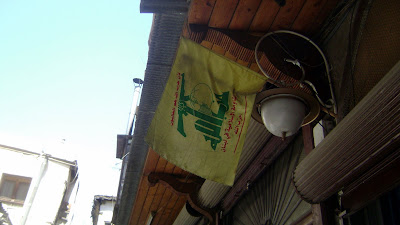
Syria loves Hezbollah
 |
| From Syria: Damascus/Maaloula |
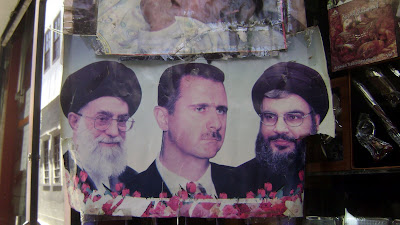
Iran, Syria, Hezbollah
 |
| From Syria: Damascus/Maaloula |
Syrian Christians
 |
| From Syria: Damascus/Maaloula |
JPII visits Syria
 |
| From Syria: Palmyra |
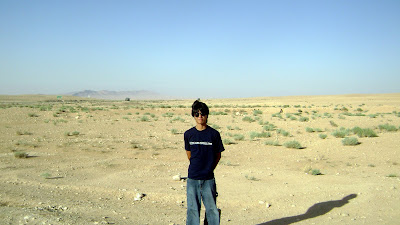
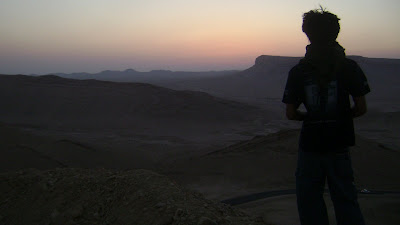
Syria's Desert
 |
| From Syria: Palmyra |
 |
| From Syria: Palmyra |
Palmyra
 |
| From Syria: Palmyra |
 |
| From Syria: Damascus/Maaloula |
Ma'loula
 |
| From Syria: Damascus/Maaloula |
 |
| From Syria: Damascus/Maaloula |