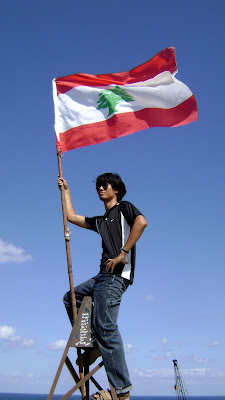
It's a shame that Lebanon is one of the least visited countries in the Middle East. Surrounded by its larger and more infamous neighbors, Israel and Syria, most people can't even find Lebanon on a map. Usually the only times people will ever hear of Lebanon, it will be the nightly news reporting on sectarian violence, terrorism, or war in the country. But the Lebanese always speak of their country as the most beautiful in the Middle East, from its hospitable mountain vilages to its glitzy capital Beirut, from skiing in the snowy mountains in the morning to swimming in the sandy beaches in the afternoon to clubbing in the capital at night; Lebanon is the most underrated country in the entire Middle East.
About the size of the US state of Connecticut, Lebanon has more to see and do than countries double or triple its size. 6 weeks still wasn't enough for me. The notion that Lebanon is 'too dangerous' is a grossly exaggerated misconception and misrepresentation of an otherwise friendly and welcoming nation, as described by the Lebanese themselves. The US State Department has a 'Travel Warning' issued for Lebanon and urges Americans to avoid any travel or presence in the country. In the last 6 months, I've been to 7 countries with so called 'Travel Warnings', and I've come up with the conclusion that they don't mean anything. Sure, Travel Warnings for Iraq and Somalia are definitely legitimate but I have never at all felt unsafe in Lebanon, Israel, Palestine, Syria, Iran, the Philippines or Saudi Arabia... I didn't even feel unsafe when I went to Hezbollah-controlled South Beirut and Hezbollah pulled my taxi over. The only way to have a legitimate opinion about a country is to just see it yourself, with a blank slate in your mind. Take whatever else you hear about it, whether its from the media or the government, with a grain of salt and just go.
Summer is probably the best time to be in Beirut. There are more than 12 million Lebanese abroad, while there are only about 4.4 million in Lebanon itself. But hordes of overseas Lebanese return to their home country to spend the summer. My apartment balcony had a view of the Mediterranean Sea. The beach was only a 10 minute walk away. At night, the rooftop bars and clubs come alive and stay open until you can see the sunrise. The Lebanese are famous for knowing how to party, in any situation. The country's seen some rough times since 2005, when former PM Hariri was assassinated by a car bomb in Beirut. Since then, Lebanon's seen nothing but more political assassinations, sectarian violence, bombings, civil unrest, war, etc. There's never any lasting peace in Lebanon and even when it seems like it, tensions are always high and the possibility of an outbreak of more fighting always exists. LAU is located in West Beirut, which was overrun and captured by Hezbollah fighters in May after intense gunfights in the street, which nearly pushed the entire country into another civil war. The guy who works at the Starbucks on the ground floor of my aparment would tell me how Hezbollah fighters would come by and take coffee breaks during the fighting. Yeah, they'd just rest their RPGs and AKs against the table and sit there sipping on coffee. Despite the Doha Agreement, which ended the May conflict, sectarian violence still occurs throughout the country (Tripoli). As a result, there's a strong military presence everywhere in the capital. Soldiers and tanks are positioned on every road and every intersection. It's impossible to go for a walk and to not see an armed soldier or checkpoint. But there's a pervasive sense of 'life goes on' that seems to be imbued in every Lebanese citizen and hard times never seem to dampen their strong spirit. Beirut is home to two American universities, AUB and LAU, which adds a strong sense of youth and vigor to the capital and best seen at night in any of the various nightlife neighborhoods around the city. Walking around the city is always an adventure. 5-star hotels are right next to bombed out or bullet-ridden buildings. It's actually rare to find an old building with no bullet holes in it. You'll see a soldier on top of a tank on one corner and then find an expensive designer brand fashion store on the next corner. Beirut, called the Paris of the Middle East, is unique and unlike any other city in the world.
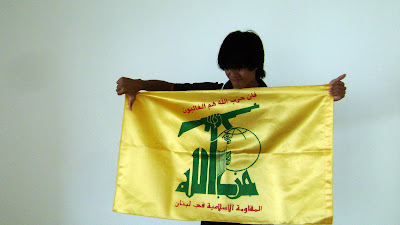
Lebanon is the only Middle Eastern country without a desert. Instead, around the country you'll find Byblos (the 2nd oldest city in the world) and Tripoli in the north. On Mt Lebanon, you'll find snow (even in the summer) and cedar forests that once covered most of the country. The simple villages in these mountains make a stark contrast to the glitzy, cosmopolitan capital. The large Roman ruins at Baalbek are so well-preserved that you can actually imagine what they were like in ancient times. Also in the Bekaa Valley is the home of Lebanon's world-class wine industry and vineyards, in addition to being the heartland of Hezbollah, the Shi'a paramilitary and political organization in Lebanon. Depending on your politics, they're either terrorists or freedom fighters. Down south are the Druze villages in the Chouf mountains and the ancient port cities of Tyre and Sidon, now unfortunately home to some of the 400,000 Palestinians living in refugee camps in the south.
The Lebanese people are unique in that they are all the same and different in so many ways. Though on the surface people identify themselves as Lebanese, beneath that sense of nationalistic pride are many various sects of 17 different religions living side by side with each other. Mainly split between Sunnis, Shi'ites, Christians, and Druze, this melting pot of cultures can either help to promote a sense of tolerance and diversity unlike any other Middle Eastern nation, or it can sow the seeds of conflict and war, as it has throughout Lebanon's long-troubled history, including its brutal 15 year civil war (1975-1990), Syrian occupation (1976-2005), and Israeli occupation (1982-present). Probably the only thing that the Lebanese can agree is on is their bitterness/hatred of Israel. On the upside, people on the streets tend to have more of an international outlook and be more cultured than the citizens of any other Mideast country. Everyday church bells will ring and muezzins will sing the call to prayer, side by side with each other. And a conversation with someone on the street could include Arabic, English, and French, sometimes all in the same sentence.
It's hard to perfectly describe spending 6 weeks in a country like Lebanon and a city like Beirut. Here's a short list of experiences off the top of my head:
-4th of July at Hard Rock Cafe
-all you want wings and beer at Hard Rock Cafe on Mondays
-sunsets on the Mediterranean Sea
-going to every region in Lebanon controlled by Hezbollah (South Lebanon, Bekaa Valley, South Beirut) and getting out alive
-going to Hezbollah-controlled South Beirut and having armed Hezbollah guys pull our taxi over
-people-watching on the Corniche
-meeting Wadi Jumblatt and getting a tour of his compound (leader of the Druze)
-the crazy times/late nights at pubs, bars, clubs, etc.
-staying out all night and hearing the morning call to prayer and church bells
-random gunfire
-drinking/going out on weeknights
-Buns and Guns
-meeting up with Ghada Bualuan, my 1st semester Arabic professor at ND
-the prisoner exchange between Hezbollah and Israel
-playing paintball at a Hezbollah field in South Beirut
-Filipino night club
-the Opus Dei Center in Beirut, named Les Cedres
-Euro Cup 2008, Viva Espana!
-the only rule to driving in Lebanon: there are no rules
-apartment parties
-traditional Lebanese dinners, including around 20 appetizers
-celebratory gunfire
-hearing explosions in the city and not knowing whether it was more fighting or some guy just getting married
-the Palestinian refugee camps
-riding around Beirut on a moped
-getting a free ride around Beirut in the open back of a Lebanese Army Humvee
-excursions to Tripoli (during the sectarian fighting), Byblos, Mt Lebanon, the Cedars, Tyre, Sidon, Baalbek, the Chouf mountains, and Syria
-all the other short stories and anecdotes that I can't remember
I'll return to Beirut and Lebanon one day, inshallah. Viva Lebanon!


No comments:
Post a Comment